
How to Build a Profitable Indoor-Outdoor Ice and Snow Park Project
An indoor-outdoor ice and snow park can turn a seasonal winter experience into a year-round attraction. But profitability does not come from simply installing an ice machine or snowmaking system. A successful project needs the right combination of ice and snow park machine, climate control, ice production, snow production, visitor capacity, and operating costs.
For amusement parks, tourist attractions, resorts, and commercial entertainment businesses, the key is to design the ice and snow experience around the project’s actual location and business model.
1. Start With the Project and Climate
The first step is to understand where the park will operate.
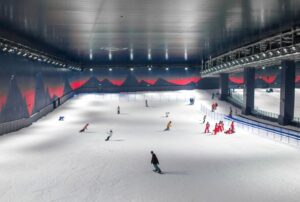
An indoor snow park in a hot climate has different requirements from an outdoor winter attraction. Project location, ambient temperature, humidity, available power, building insulation, visitor capacity, and operating hours all affect equipment selection.
For an indoor project, good insulation and temperature control are especially important. Snowmaking equipment can produce snow, but maintaining a suitable environment is essential if the snow needs to remain on the ground.
For outdoor areas, the local climate and operating season should be considered before deciding how much snowmaking capacity is required.
2. Choose the Right Ice and Snow Park Machine
There is no single machine that fits every ice and snow park.
A commercial project may require several types of equipment, including:
- Snowfall machines for indoor winter experiences
- Snowmaking systems for snow areas and attractions
- Industrial ice machines for large-scale ice production
- Ice storage and handling systems
- Refrigeration and cooling equipment
- Supporting water treatment and control systems
The equipment capacity should match the required snow or ice production, visitor flow, operating schedule, and available space.
For this reason, choosing equipment based only on the advertised production capacity can lead to higher operating costs or insufficient production.
3. Consider a Turnkey Ice and Snow Park Solution
A commercial project is more than a collection of individual machines.
A turnkey ice and snow park equipment for commercial amusement business should be planned as an integrated system. Equipment layout, refrigeration, water supply, electrical requirements, insulation, snow distribution, and maintenance access all need to work together.
A professional supplier should review the project before recommending the final configuration.
This approach can help avoid common problems such as insufficient cooling capacity, poor equipment placement, difficult maintenance access, or unnecessary energy consumption.
4. Control Energy Consumption From the Beginning
Energy cost is one of the most important factors affecting the long-term profitability of an ice and snow attraction.
A low-energy consumption ice snow park solution for tourist attractions should not simply focus on using a low-power machine. The complete system needs to be considered.
Building insulation, refrigeration efficiency, equipment capacity, operating temperature, snow production schedules, and visitor management can all influence energy use.
For example, producing more snow than the attraction actually needs may increase operating costs without creating additional visitor value. Proper system sizing allows the equipment to support the attraction without excessive capacity.
5. Design for Different Visitor Experiences
Profitability also depends on how visitors use the space.
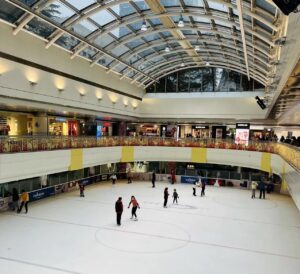
An ice and snow park can include different experiences such as snow play areas, artificial snowfall, ice attractions, family activities, and themed winter environments.
The equipment should support the planned visitor experience rather than determine it.
This is why equipment planning should be completed together with the park layout and operating concept. The goal is to create an attraction that is enjoyable for visitors while remaining practical to operate and maintain.
6. Work With an Experienced Ice and Snow Equipment Manufacturer
Building a commercial ice and snow park requires more than purchasing machines. Technical planning, equipment integration, installation, commissioning, and after-sales support can all affect project performance.
With more than 20 years of refrigeration equipment manufacturing experience, Focusun provides ice-making, snowmaking, refrigeration, and related solutions for commercial and industrial applications.
For reliable ice making & snow producing equipment for snow park construction, project requirements should be reviewed before the final equipment configuration is determined.
FAQ
Can an ice and snow park operate in a hot climate?
Yes, indoor ice and snow attractions can be developed in warm climates, but the building envelope, insulation, refrigeration, humidity control, and snowmaking system must be properly designed for the local conditions.
How much ice and snow equipment does a park need?
It depends on the project size, visitor capacity, operating hours, climate, snow area, ice requirements, and expected production demand. There is no universal equipment configuration.
Is a turnkey solution better for a commercial snow park?
A turnkey approach can simplify project coordination because equipment, refrigeration, layout, and supporting systems can be planned together. It can also reduce compatibility and installation issues.
Start Your Ice and Snow Park Project
A profitable ice and snow attraction starts with the right project design—not simply the largest machine.
If you are planning an indoor snow park, ice attraction, winter-themed amusement project, or tourist destination, Focusun can help evaluate your project requirements and develop a suitable ice and snow equipment solution.
Contact Focusun to discuss your project size, location, visitor capacity, and ice or snow requirements.