
What Is an Ice Rink Refrigeration and Surface Turnkey Solution?
An ice rink is more than a frozen surface. Behind every skating rink is a combination of refrigeration equipment, cooling pipelines, floor construction, and ice maintenance processes that must work together.
For shopping malls, sports centers, resorts, and entertainment venues, an integrated Ice Rink refrigeration and surface turnkey solution can help coordinate these systems from design through installation and commissioning.
But what does this type of project include, and how do the main systems work together? This guide explains the key components and what to consider before starting your ice rink project.
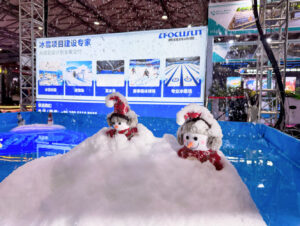
What Is an Ice Rink Refrigeration and Surface Turnkey Solution?
An ice rink refrigeration and surface turnkey solution combines the engineering and installation of the systems needed to create and maintain an ice surface. Depending on the contract, the scope may include refrigeration equipment, cooling pipelines, the rink floor structure, ice-making preparation, system controls, and commissioning.
The main goal is to ensure that the refrigeration system and ice surface are designed as one coordinated project instead of separate systems installed without proper planning.
The exact scope depends on whether the rink is permanent or temporary, indoor or outdoor, and designed for leisure skating, hockey, or another activity.
What Is a Low Temperature Glycol Refrigeration System?
A low temperature glycol refrigeration system is a common option for ice rinks that use indirect cooling. In this arrangement, refrigeration equipment cools a secondary fluid, which is circulated through pipes beneath the ice surface to remove heat.
How Does It Work?
The refrigeration unit cools the fluid, and circulation pumps move it through the rink’s embedded pipe network. Heat transfers from the rink floor to the fluid and is then removed by the refrigeration system.
The system design depends on several factors, including rink dimensions, required ice conditions, heat load, fluid properties, and operating schedule.
What Should Be Considered?
- Cooling capacity: The refrigeration system should be selected according to the calculated project load.
- Fluid selection: The fluid must be suitable for the required temperature and compatible with the system materials.
- Circulation: Pump flow and pressure must match the resistance of the complete piping network.
- Controls: Temperature monitoring and suitable control strategies help operators manage system performance.
- Selecting equipment based only on the rink’s size may overlook important differences in climate, building conditions, and operating requirements. Engineering calculations should guide the final selection.
What Is an Ice Rink Compressor Station Setup?
The ice rink compressor station setup refers to the arrangement of the main refrigeration equipment and its supporting components. Depending on the system design, this may include compressors, heat exchangers, pumps, control panels, and related equipment.
A good layout provides suitable access for installation, inspection, and maintenance. The project team should also review ventilation, electrical supply, noise, drainage where required, and local safety requirements.
Equipment placement should be coordinated with piping routes and other building services before construction begins. This helps reduce installation conflicts and makes future servicing easier.
The compressor configuration should match the expected cooling load and operating conditions. There is no single compressor arrangement that suits every ice rink.
What Is an Anti-Freezing Pipeline for an Ice Rink?
An anti-freezing pipeline for an ice rink is part of the cooling network that carries the secondary fluid between the refrigeration equipment and the rink floor. In a glycol-based system, the fluid’s properties and operating temperature must be considered when designing the pipes and selecting materials.
Key Design and Installation Factors
The engineering team should determine pipe material, diameter, spacing, flow rate, and connection details based on the project design. The piping layout must support the required fluid distribution across the ice surface.
Insulation may be needed on selected piping sections to limit unwanted heat gain or condensation. The location and specification should follow the approved design.
Before embedded pipes are covered, they should be inspected and tested according to the project’s specified procedures. This stage is important because repairing a problem after the floor is completed can be difficult and costly.
What Is the Ice Surface Leveling and Maintenance Process?
The ice surface leveling and maintenance process covers the preparation, inspection, and ongoing care of the skating surface. The process begins before ice production and continues throughout the rink’s operating life.
Preparing the Ice Surface
Before making ice, the project team should confirm that the supporting structure and embedded cooling pipes meet the approved design requirements. The floor’s level and construction details should be checked before the next layers are installed.
During initial ice making, water is applied in controlled layers according to the operating plan. The surface is then inspected for uneven areas and other visible issues before the rink opens.
Maintaining the Ice During Operation
Routine care may include resurfacing, checking for cracks or rough patches, monitoring ice conditions, and reviewing refrigeration performance.
If the same area repeatedly develops uneven ice, operators should investigate the cause instead of relying only on surface repairs. Possible factors include water application, surface damage, operating conditions, or uneven cooling.
Frequently Asked Questions
Is a glycol refrigeration system suitable for every ice rink?
No. Glycol-based indirect cooling is used in many rink designs, but the right system depends on the project requirements, operating conditions, and engineering assessment.
What does turnkey ice rink work include?
The scope may include engineering, equipment procurement, refrigeration installation, piping, ice floor construction, commissioning, and operating guidance. The included services should be clearly defined in the contract.
What information is needed to plan an ice rink?
Useful details include rink dimensions, location, indoor or outdoor setting, intended use, available electrical supply, target schedule, and existing site drawings.
Discuss Your Ice Rink Project with Focusun
A reliable ice rink starts with coordinated refrigeration engineering, careful pipeline installation, a suitable floor structure, and a clear maintenance plan.
Focusun specializes in ice-making and refrigeration solutions, with more than 20 years of industry experience and a 40,000-square-meter modern factory in China.
Whether you are planning a new leisure rink, a sports facility, or a commercial skating project, contact Focusun to discuss your requirements and explore a solution tailored to your site and project scope.