Top & Best Review: Freshwater Fluidized Ice Snowmaking Machine Selection and Cost Analysis
Planning an indoor snow park or a commercial snow attraction requires careful equipment selection. A freshwater fluidized ice snowmaking machine can provide a snow-like ice material through a refrigeration-based production process, but choosing the right model involves more than comparing production capacity or purchase prices.
The machine must match the venue size, required snow output, operating schedule, installation conditions, and project budget. This guide reviews the key selection criteria and cost factors to help project owners make a more informed decision.
1. Review the Matching Parameter Configuration for an Indoor Snow Park
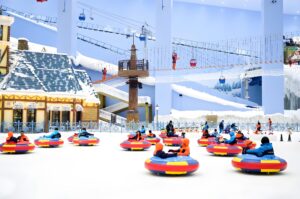
The matching parameter configuration for an indoor snow park freshwater fluidized ice snowmaking machine should start with the actual needs of the venue.
Snow Production Capacity
Estimate how much snow-like material the project needs during normal operation and peak visitor periods. The required output depends on the target area, desired snow depth, visitor activity, and how often the snow will be replenished.
Avoid selecting a machine based only on the largest advertised production figure. Ask the supplier how the rated capacity is measured and under what operating conditions it can be achieved.
Venue Size and Distribution Layout
The machine’s production capacity is only one part of the system. The distance between the machine and the snow area, the distribution method, and the layout of the venue can affect how effectively the finished material reaches the target area.
For a large indoor snow park, the project team should evaluate the production location, conveying arrangements, access routes, and maintenance space together.
Utility and Installation Requirements
Before selecting equipment, confirm the available electrical supply, water source, drainage arrangements where needed, ventilation, and installation space.
These details help determine whether the proposed machine can be integrated into the building without major changes to the original layout.
2. Review Energy Efficiency Data Before Comparing Machines
The energy efficiency data of a commercial freshwater fluidized ice snowmaking machine is essential for estimating long-term operating costs.
However, a single power rating does not show the complete energy performance of a machine.
What Energy Data Should You Request?
Ask the manufacturer for:
1.Rated electrical power and voltage requirements
2.Actual operating power under specified conditions
3.Snow production capacity under the same test conditions
4.Energy consumption per unit of output, if measured
5.Operating conditions and test methods used for the data
Where comparable data is available, energy consumption per unit of production can help buyers evaluate different models more fairly.
For example, comparing two machines only by their rated power may be misleading if their production capacities and operating conditions are different.
Consider the Full Operating Schedule
Estimate energy use based on expected daily operating hours, seasonal operation, and visitor demand. Also consider supporting equipment, such as conveying or distribution systems, if these are included in the project.
The most useful comparison is based on the same operating assumptions and a clearly defined system boundary.
3. Review Customization Solutions for Turnkey Snow Projects
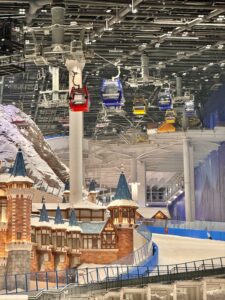
The customization solutions for turnkey snow project freshwater fluidized ice snowmaking machine should be based on the venue’s layout and intended snow experience.
A machine designed for one project may not be suitable for another without changes to the system arrangement.
Customization May Cover Several Areas
Production capacity: Equipment selection should match the required output and operating schedule.
Distribution layout: The snow delivery method should suit the venue’s dimensions, ceiling height, and target areas.
System integration: The machine may need to be coordinated with electrical systems, water supply, drainage, ventilation, and other project equipment.
Maintenance access: Space should be provided for inspection, cleaning, and routine servicing.
For turnkey projects, it is important to define which items are included in the supplier’s scope. Confirm whether the proposal covers equipment supply only or also includes engineering, installation, commissioning, and operating guidance.
4. Understand the Main Cost Factors
The purchase price is only one part of the total project cost. A more complete cost analysis should include the following areas.
Initial Equipment Investment
The machine price depends on its configuration, production capacity, materials, and included components. Optional conveying or distribution equipment may also affect the quotation.
Installation and Supporting Works
Installation costs depend on site conditions and the work required to connect the machine to utilities and integrate it into the venue.
For an indoor snow park, building modifications, electrical work, drainage, ventilation, and equipment access should be reviewed before the final budget is confirmed.
Operating and Maintenance Costs
Long-term costs may include electricity, water, cleaning, routine inspection, replacement parts, and labor.
Ask the supplier for a maintenance schedule and recommended spare parts list. These details help the project owner prepare a more realistic operating budget.
Total Cost of Ownership
A machine with a lower purchase price may not always have the lowest long-term cost. Compare equipment investment, installation, energy use, maintenance, and expected operating hours over the same evaluation period.
Use actual supplier data wherever possible instead of relying on estimated savings or general efficiency claims.
5. How to Choose the Right Supplier
When reviewing suppliers, look beyond product descriptions and price lists.
1.Technical documentation: Request specifications, equipment drawings, and utility requirements.
2.Application experience: Ask about experience with similar indoor snow or ice attraction projects.
3.Customization ability: Confirm whether the supplier can adapt the system layout to your venue.
4.Clear project scope: Check the responsibilities for engineering, delivery, installation, and commissioning.
5.After-sales support: Review maintenance guidance, spare parts availability, and technical support arrangements.
A supplier should be able to explain why a proposed configuration suits your project and identify any information still needed before final equipment selection.
Frequently Asked Questions
How do I calculate the required snowmaking capacity?
Start with the target snow area, desired snow depth, expected visitor numbers, and replenishment schedule. The supplier can then assess the required production capacity based on the project conditions.
Is a higher-capacity machine always better?
No. An oversized machine may increase the initial investment and may not match the project’s actual operating needs. Select capacity according to expected demand and operating plans.
What information is needed for a quotation?
Provide the project location, indoor area, layout drawings, target snow area, expected production demand, operating hours, available power supply, and water source.
Discuss Your Snow Project with Focusun
Choosing a freshwater fluidized ice snowmaking machine requires a balance between production needs, energy use, installation conditions, and total project cost.
Focusun specializes in ice-making and refrigeration solutions, with more than 20 years of industry experience and a 40,000-square-meter modern factory in China.
If you are planning an indoor snow park or a turnkey snow project, contact Focusun to discuss your site conditions, technical requirements, and equipment configuration.